L-PACK — 3D-video
3D and motion design
View the L-PACK caseFor your Sydney business, we connect brand decisions with everyday materials. We agree scope and remote reviews before developing strategy, naming or design.
You can come with one task or with a full project. First, we'll figure out what your business needs and agree on the scope of work.





MegaFon, BMW, VTB and other companies come to us with different tasks: to launch a new brand, reframe an existing one, build an identity, packaging system, website, or presentation.

Gromov Branding · Showreel 2026
3D and motion design
View the L-PACK caseBefore design begins, we define who the brand is for, what it competes with, what makes it different, what it is called and where it will be used. Strategy, naming and visual identity need to work together before launch.
The product, audience, geography, or scale of the business has changed, but the brand continues to tell the old version of the company. Here it is important to determine: what exactly has become outdated: positioning, architecture, language, visual system, or individual touchpoints.
The owner speaks about the company one way, sales — another, HR — a third. Every new material begins with negotiations about 'how to do it right.' Branding is needed to move these decisions out of the heads of individual people into a system that the team can use.
It's necessary to decide what the new product inherits from the main brand and what it needs of its own: name, message, logo, color, packaging, digital. Without architecture, new directions quickly turn into a set of exceptions.
An existing brand may already have valuable assets: its name, logo, colors, familiar packaging and customer recognition. We do not start by promising to change everything. First, we determine what needs to be preserved, what to develop and what really gets in the way.
Not every project has to be big. If you need logo, naming, corporate identity, brand book or presentation design, we first check whether the existing brand foundation is sufficient, rather than automatically proposing a full branding package.

The SWIFT logo already had value, so the task did not require its replacement. The work was centered around the brand platform, corporate style, packaging and sub-brand system. This is an example of a project where preserving the asset was part of the solution, not a limitation.
View the SWIFT case
The project included rebranding, identity, livery, packaging and guidelines for using the system. Here, an important part of the task was the boundary between the update and the loss of continuity.
View case IRAEROWe have been developing brands and visual identities since 2012.
Completed projects.
RatingBranding 2026
«Rating of branding agencies of Russia 2026»
These figures show the scale of our work. The examples below explain the tasks, decisions and process behind it.

Presentation
View VTB case
A request for a new brand often contains several distinct problems. The issue may lie in positioning, naming or visual identity. We identify the underlying problem before deciding what design needs to solve.
Research is useful when it informs decisions. We study the market, competitors and audience, and run interviews and workshops to establish criteria for positioning, brand architecture and design.
When working with an existing brand, we separate the accumulated assets from inertia. A name, logo, color, or packaging principle should not disappear merely for the sake of an impressive 'before / after'.
Even a strong concept can stall if the final decision-maker joins too late. We agree in advance who provides information, who works with us, who consolidates feedback and who approves each stage.
A brand book, source files and templates should support everyday work. After delivery, marketing needs to know what to launch, designers how to create new materials, sales how to use the presentation and suppliers which rules to follow.
Branding alone cannot guarantee revenue growth. Trademark registration requires a separate legal process, and a logo project cannot have the same schedule as a large brand system. We define the scope and limitations before work begins.


An automotive show needed a system capable of living in episodes, announcements, color coding, graphics, and merch. The logo here is only one element; the value is created by a language that withstands the flow of content.
View the case «Start, let's go»If you need to connect research, strategy, verbal and visual systems and prepare a brand for work after launch.
Branding developmentThe semantic foundation of the brand: audience, value, positioning, character, key messages, and other coordinated anchors for communication and design.
Brand platform developmentWe determine who the brand is for, in what situation it is chosen, against which alternatives it competes, and why the customer should choose it specifically.
Positioning developmentWe agree on naming directions, criteria and constraints, develop options and carry out the agreed checks.
Order namingWe design the symbol and wordmark to work at real sizes and across the required applications.
Logo DevelopmentWe determine what in the existing sign has value and change only what hinders the new task.
Logo RedesignTypography, color, composition, graphic principles, images, patterns, and rules by which the brand remains recognizable in different hands.
Corporate identity developmentVisual brand system as a standalone task — when the strategic foundation already exists and it is necessary to assemble an expressive and scalable language.
Brand DesignA document and working system of rules that the team will be able to use after the project is completed.
Brand book developmentProduct range structure, information hierarchy, shelf visibility and a design system that scales across SKUs and is ready for production.
Packaging DesignWe transfer the brand into the structure, interface, typography, images, texts, and digital interaction.
Websites on TildaFor B2B-companies, the brand often meets the customer in a presentation or tender document before appearing on an advertising medium. Therefore, multi-page materials are a full part of the communication system.
Presentation designIf the task is currently formulated broadly, you can view the entire current catalog.
Logo
View the IOWA case
Branding and digital
View the Nedelska caseWhy did the task arise precisely now? A new product, company growth, a new audience, market change, internal chaos, an outdated visual system — the reasons require different solutions.
What already has value: the name, the logo, the color, customer habits, packaging composition, reputation? This is recorded before the search for something new begins.
The audience's age by itself helps little. It's more important to understand what a person compares, what they fear, who else influences the decision, and at what point the brand should provide the right argument.
Not always with the neighboring company. Sometimes the alternative is to do nothing, make it internally within the team, buy a cheaper product, or choose another way to solve the same task.
Packaging, website, tender, app, transport, exhibition, presentation, social networks — different environments impose different requirements. The system is designed for real touchpoints, not just one main mockup.
We agree on the approval process before design begins so that the final presentation does not send the project back to the start.

Concept
View the Moskvich case
Branding
View the Polar Airlines caseWhat has changed, what result is needed, what materials are already available, who makes the decision, and where the brand should operate.
We determine the scope, limitations, what we preserve, and by which criteria we will evaluate future decisions.
We tailor the depth of the audit, market research, interviews and internal analysis to the decisions the project requires.
We bring together the strategic, verbal and visual elements the project needs.
We test the design in the agreed formats where it will actually be used.
We document the rules, sources, templates, and if necessary, help with the first brand applications after launch.


Website design
View the Cafeterius case
Branding
View the Mekong case

100% of our clients who submitted applications received a patent.

Many agencies have strong portfolios. The difference becomes clearer when you compare their approach to decisions.
Two agencies may both call their offer "branding", while one includes a logo and basic identity and the other includes research, positioning, naming, brand applications and a brand book. Compare the deliverables before comparing prices.
What was the task? What did you study? What did you decide to preserve? Why did you choose this direction? How did you test the design in use? What did the client get in the end?
Ask who is responsible for strategy, creativity, design, and management, and at what stages these people get involved.
Beyond the number of revision rounds, clarify who consolidates feedback, what counts as a change in scope and who approves each stage.
Rebranding should not automatically mean destroying the old system.
What files, rights, templates and rules will you receive? What will you be able to do independently? What requires support?
If you need one service, an experienced agency should be able to keep the scope focused.

Everything we touch becomes excellent»



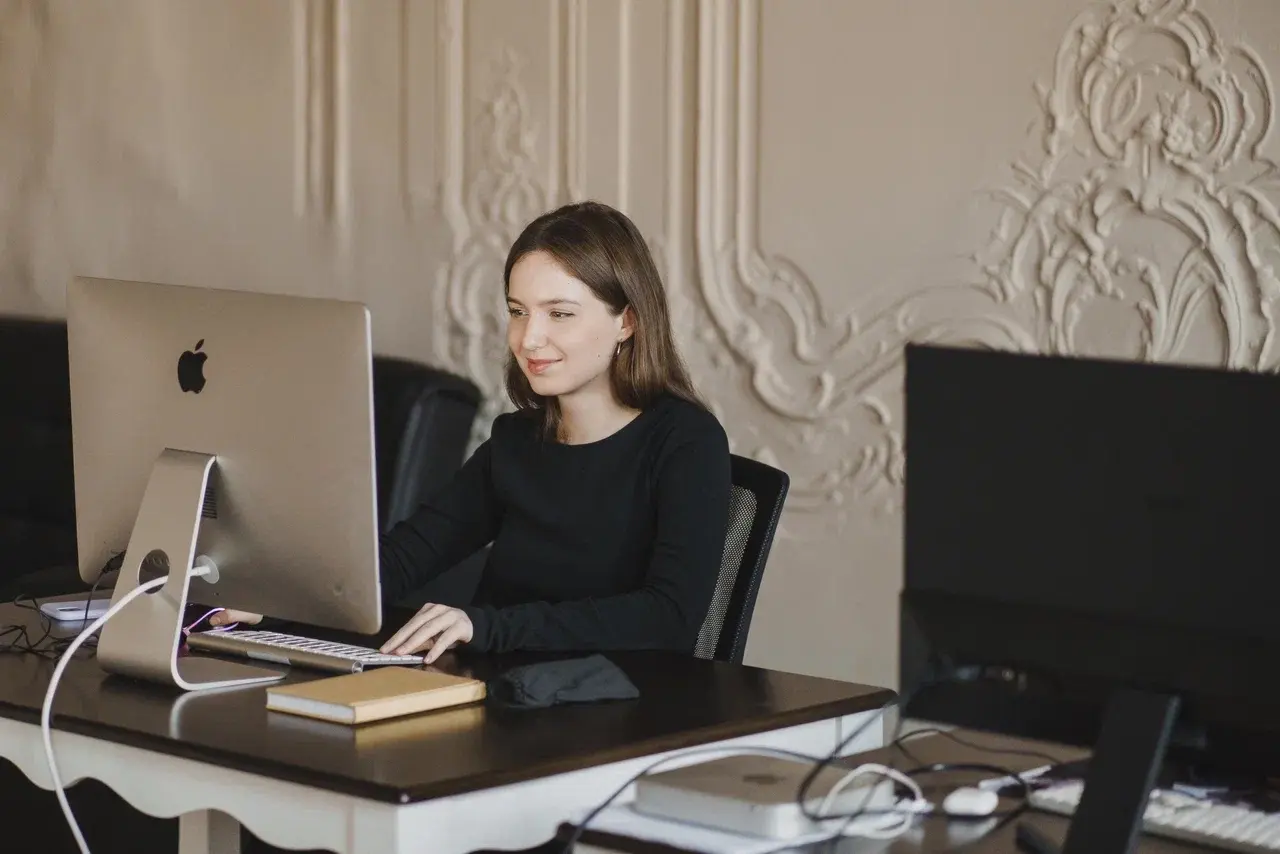

The team composition depends on the task. Strategists, researchers, naming specialists, art directors, brand designers, editors, digital and packaging specialists, and project managers can participate in projects.

Co-founder of the agency

Communications Director
Manages key clients
A branding agency is a team that helps businesses make brand-related decisions: who it is for, what place it occupies among alternatives, what it is called, how it looks, and how it should work in communications.
If the task is limited to a single visual object, a strong design studio may be sufficient. A branding agency is especially useful where there are strategic, verbal, or architectural questions before design, and it is important that different parts of the project do not contradict each other.
More details about the concept itself — in the article "What is branding and why is it needed for business".
Not every visitor is ready to leave an inquiry. Therefore, we answer some questions without selling.
A design studio can solve visual tasks excellently. A branding agency gets involved more broadly when it is necessary to sort out positioning, architecture, naming, messages, research, or implementation before design. It is better to look not at the company name, but at the composition of a specific project.
Not necessarily. The internal team can develop the brand on its own, if it has enough time, authority and competencies. An agency is useful when an external view is needed, a rare specialization, independent moderation of a complex solution, or an additional team for a limited period.
Yes. If the positioning is already well-defined, there is no point in artificially inflating the task.
Yes. A naming project still needs clear criteria, creative directions and an agreed scope of checks.
The scope may combine research, positioning, a brand platform, naming, a logo, visual identity, brand applications, guidelines and implementation.
With a conversation about the business and the reason for the task. It is important for us to understand what has changed, what result is needed, what materials are available, who makes the decision and where the brand will be used.
If the problem affects only one brand application, rebranding may be unnecessary. If the positioning, architecture and communication system are outdated, a targeted redesign may not solve the task.
Yes, if it has value and does not hinder the new task. In SWIFT, the existing logo was preserved, and the new system was built around it.
The number and format depend on the task and are fixed in the project scope. The maximum number of options by itself does not make the solution stronger.
Agree on the evaluation criteria and final decision-maker before the presentation. Feedback should address the brand's objectives as well as personal preferences.
A person who knows the context and collects the initial data; a working group; and the person or group that makes the final decision. For individual tasks, lawyers, product, sales, HR or production are involved.
Depending on the project, the team may include a strategist, researcher, naming specialist, art director, designers, editor, digital or packaging specialists and a project manager.
There is no single timeline. It depends on research, naming, the number of stages and applications, required checks and the approval process.
The cost depends on the scope of work, depth of research, architecture, number of media, team, approvals and implementation. After the initial conversation, it is possible to discuss the price of a specific set of results.
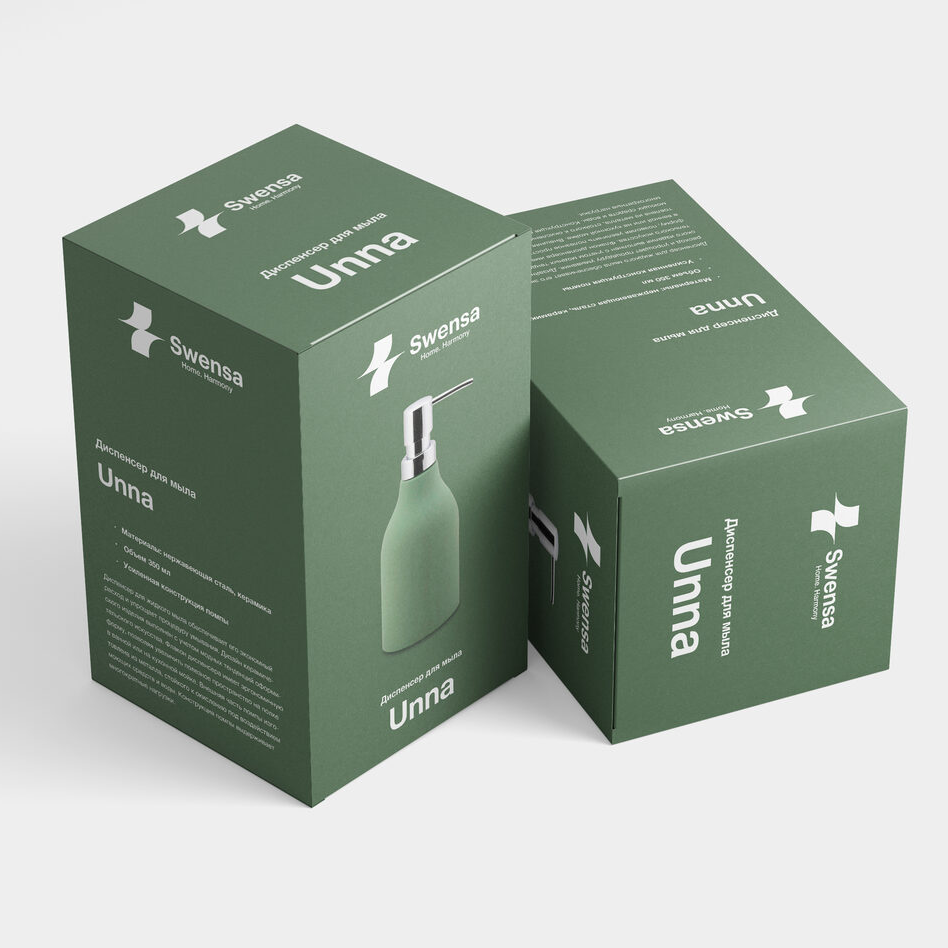
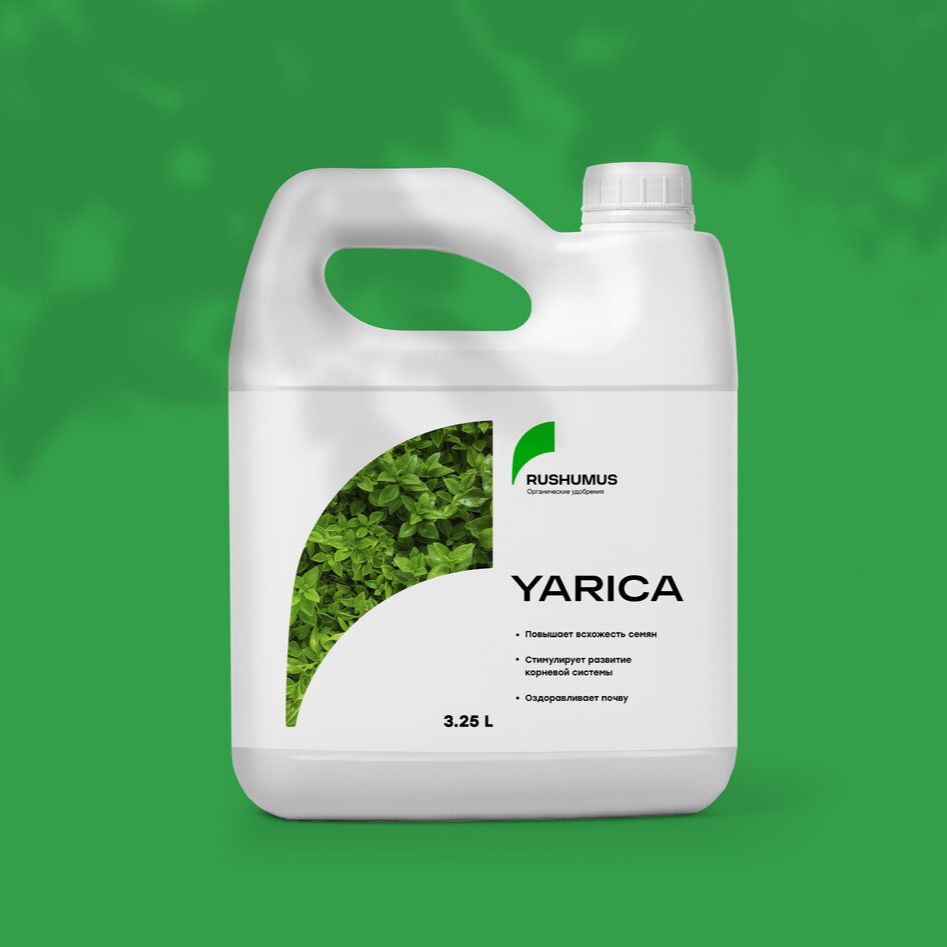
Branding projects vary widely in scope. A single price would describe only a fixed package, not every project.
Yes, if there's enough conversation and current materials for evaluation. For a complex task, we first need to clarify several questions, otherwise the proposal will be built on assumptions.
We work with companies remotely. We discuss the brief, review materials and deliver the work online. We agree on the project scope and meeting format before we begin.
No. Interviews, working meetings, presentations and feedback can all take place online. We arrange in-person sessions when they are useful to the project.
The current brand, the market, competitors, the audience, the product, touchpoints, and internal constraints—up to the depth needed to solve the task.
The scope of the check is determined separately.
The composition and formats of the materials to be transferred are fixed in the proposal and the contract.
The scope of the rights transferred and the moment of their transfer are fixed in the contract, taking into account third-party licenses.
The team can implement the system independently or continue working with the agency on additional media, website, packaging, and presentations.
Yes. This is a reasonable option when it is still unclear where the main problem is and what scale of changes is actually needed.
Yes, if the stages, criteria, participants, and the person or group that makes the final decision are clear in advance.
No. Sales are influenced by the product, price, distribution, advertising, sales department and the market. Branding can make the offer clearer and the system more consistent, but cannot honestly guarantee a financial result by itself.
Yes. If the initial basis is sufficient, a full project is not necessary.
Send the current website or materials and briefly describe what you are launching or want to change. The first conversation is needed to determine the sufficient scope of work, rather than make you fill out a huge brief.
Send the website, current materials or briefly describe what has changed in the business and where the main question is now.
We will look at the context and say which next step looks reasonable. If one service is needed — we will not turn it into a big project. If the problem is deeper, we will explain why targeted work may not work.
Gromov Branding — branding agency in Sydney. Working since 2012, with more than 1000 completed projects.