What is branding and why does your business need it?
Article reading time 7 minutes
November 12, 2024
Today I’ll break branding down into sections.
This will not be a lecture, but a live conversation - in simple words, with examples and without marketing bullshit.

- What is branding and why it’s not just about logos.
- How to create a brand that is not just for show, but for profit.
- What types of branding are there and what exactly do you need?
- What even large companies do wrong and how to avoid failure.
- Real cases that will show: branding is powerful.
The article is suitable for anyone who wants to make their business noticeable. Whether it's a small business, a startup or a large corporation, you'll find ideas and solutions here.


What is branding?
If there are no emotions, you don’t have a brand, just a name.
In simple words
Example:
- Apple has innovation, style, excellence.
- Nike has motivation, sport, movement.
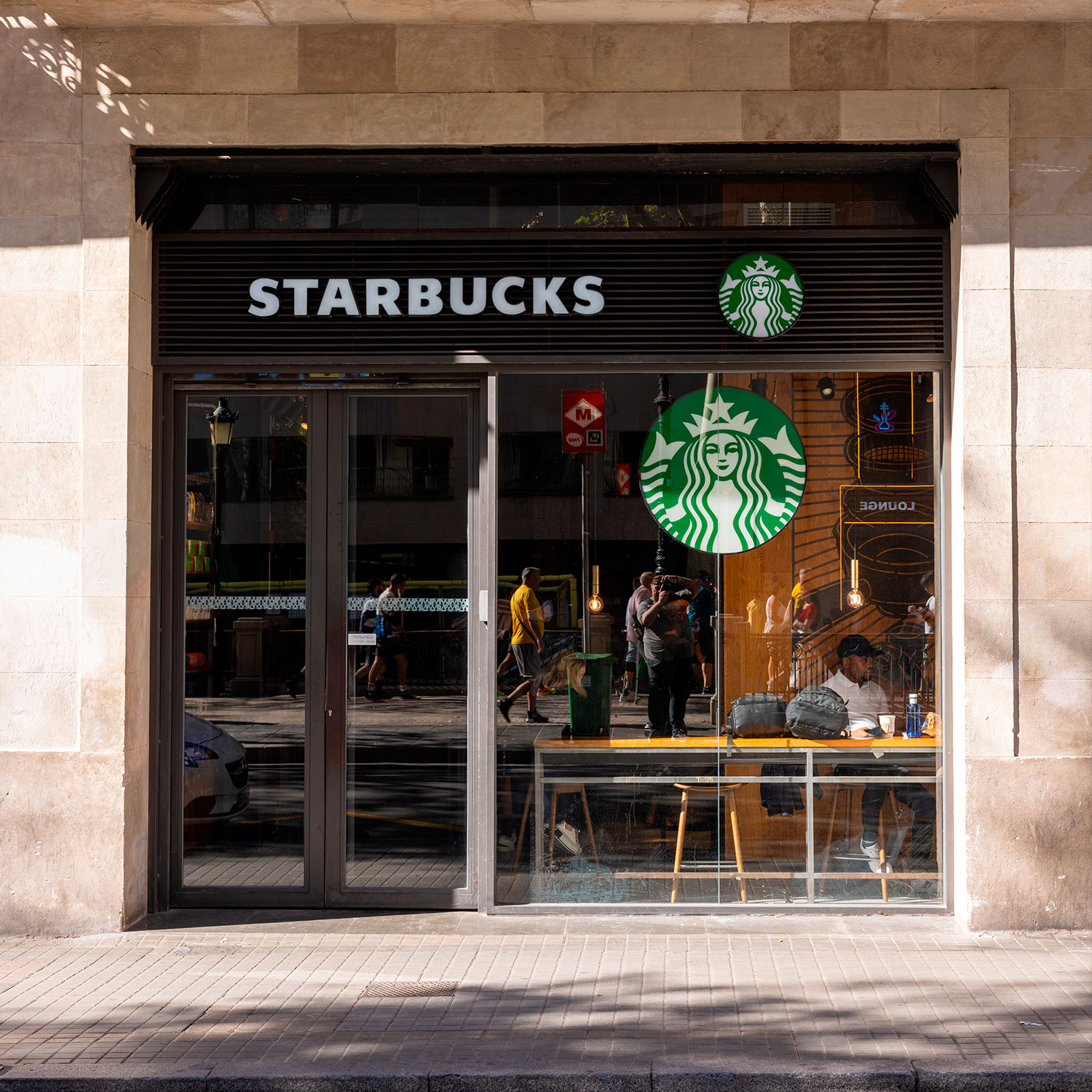
- At Starbucks - comfort, care, coffee break.
What about you? If it is not yet clear how you want to appear in the eyes of a client, read on.
How is branding different from branding?
Branding is a tool.
Branding is a strategy.
Example:
- Branding is when you put your logo on the mug.
- Branding is when a person sees this mug and thinks: “This is a stylish company that I trust.”


Why is branding needed?
What does branding give to a business?
- Recognition. You stand out among hundreds of competitors.
- Trust. If a brand evokes positive emotions, it is chosen more often.
- Loyalty. People buy again, even if you are more expensive.
- Sales speed. When you are known, clients are less likely to hesitate.
- Attracting talent. Cool employees want to work for a cool brand.

Mission and values
Example:
Tone of Voice Brand voice
Example:
Visual style
Example:
Colors. Green is associated with ecology, yellow with joy.
Example: McDonald's - red and yellow, which awaken the appetite.
Fonts. They set the tone. Strict font - seriousness, handwritten - friendliness.
Branding basics: what it consists of
Emotions



Corporate branding
Example: Google. They are associated with innovation and convenience.
Personal branding
Example: Tony Robbins is a brand person.
Product branding
Example: Coca-Cola. Their product is the emotions of the holiday.
Types of Branding
Advertising brand
Example: Old Spice, which captured the market with provocative videos.
Service branding
Example: Uber. Their brand is about convenience and speed.


What does branding need?
- A clear strategy. Decide how you want to be seen by your clients.
- Consistency. Everything - from the logo to the letters in the mail - should be uniform.
- Emotional connection. The client should feel: this brand is about me.
Research
Strategy
Communication
How we create brands: a step-by-step process
Implementation
Visual style


Brand, branding and identity: what is the difference
Brand — the image and reputation of the company in people’s minds. Branding — a constant process of creating and managing this image. Identity — visual language of the brand: logo, color, typography, graphics and rules for their use.
A brand can be called a result, and branding can be called a path to it. A logo and brand identity help make a strategy recognizable, but they do not in themselves replace positioning, product experience and consistent communication.
Branding goals and objectives
Create the right perception
Determine positioning and take a clear place relative to competitors so that the buyer quickly understands the value of the offer.
Create a recognizable image
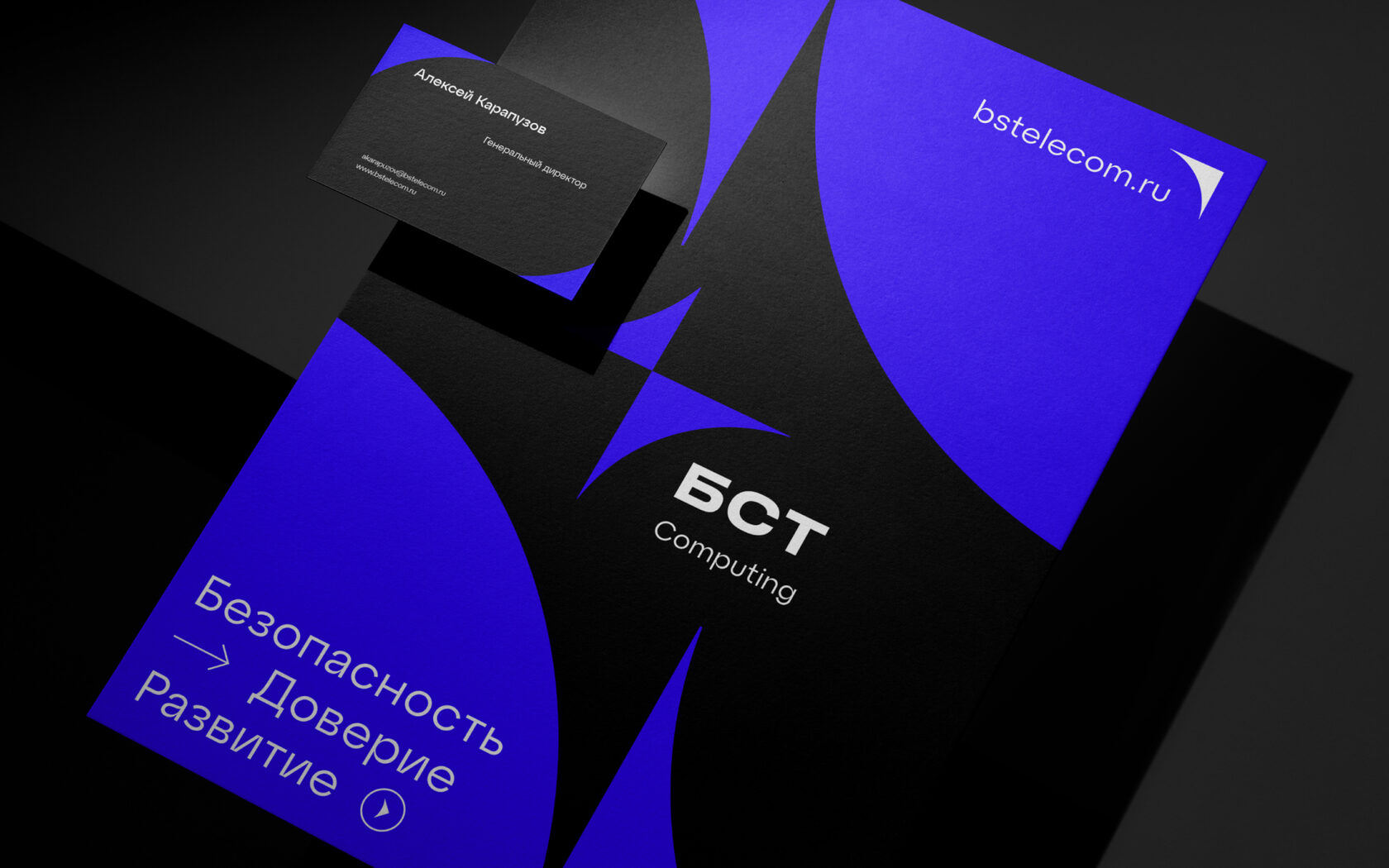
Combine visual and verbal identity: logo, colors, fonts, key messages and tone of voice.
Build trust and loyalty
Make the brand promise consistent across all touch points - from advertising and website to service and support.
Support business development
Set a promotion strategy, regularly analyze feedback and adapt the brand to new markets, products and audiences.
For example, Selo Zelenoe is building a positioning around natural products for urban shoppers, and Patagonia is turning environmental responsibility from an advertising thesis into a principle of product and company behavior.
What is included in the brand platform
A brand platform is a document that captures the company’s semantic system and makes marketing, design, product and service decisions consistent.
Mission
Why does a company exist besides making a profit?
Vision
What brand wants to become in the future and where the business is heading.
Values
The principles that guide the company's decisions.
Positioning
What place does the brand occupy in the minds of the audience relative to its competitors?
Value proposition
What unique benefit makes choosing a brand rational and emotional?
Target audience
Who the brand is addressed to: segments, needs, motives and barriers to choice.
Brand character
Traits and behaviors that create a recognizable brand personality.
Brand voice
Tonality and style of text, audio and video communications.
Identity
Logo, palette, typography, images, sound and other sensory elements.
Key messages
Ideas that the brand consistently repeats across different channels.
The experience of interaction
How a person encounters a brand at every stage of the customer journey.
Emotional connection
Feelings and associations that turn familiarity into preference and loyalty.
Branding and Marketing: How They Work Together
Branding - strategy
Answers the question: “Why should a client choose us – today and in a few years?” Forms long-term perception and reduces dependence on price.
Marketing - attraction system
Answers the question: “How to bring a client and get a sale now?” Uses advertising, SEO, PR, mailings, content and promotions.
Marketing brings a person to the point of contact, and the brand helps him trust and make a choice. A strong brand without promotion remains little known; advertising without a strong brand loses conversion and requires more and more budget.
Seven signs your business needs branding
- The company is confused with its competitors and cannot remember its name.
- Sales are maintained only by discounts and fall immediately after the end of the promotion.
- Employees explain the company's values and benefits in different ways.
- The website, social networks, presentations and packaging look like different brands.
- The difference from competitors cannot be formulated in one clear phrase.
- The visual style is not systematized: each new medium has to be created anew.
- The company is entering a new market, changing its audience, or preparing to attract investment.
Who is responsible for branding
Business and brand manager
Management sets business goals, and the brand manager coordinates the strategy and monitors the consistency of decisions.
Strategists and analysts
They research the market, competitors and audience, form positioning, value proposition and brand architecture.
Designers and UX/UI team
Translate strategy into a visual system and provide a unified experience across physical and digital media.
Copywriters, Marketing and PR
Develop brand voice, key messages, content and external communications.
Project Manager
Manages deadlines, dependencies and synchronization of all project participants.
HR and internal team
Link the brand promise to culture, hiring, and actual employee behavior.
Responsibility cannot be completely transferred to the designer or agency: the agency creates the system and helps implement it, and the company confirms the brand with product, service and solutions every day.
Read more about branding as a management business process →Frequently Asked Questions
How is branding different from marketing?
Branding shapes the long-term perception of a company and the reason for choice. Marketing engages audiences and drives specific actions. In practice they only work together.
How much does branding cost?
The cost depends on the task: only strategy, a separate identity or a full complex with research, platform, design and implementation. The exact scope of work is determined after business diagnostics.
How long does it take to develop a brand?
An accelerated project can take several weeks, but a comprehensive development with research and a brand book can take two to three months or more.
Is it possible to do branding yourself?
The basics can be formulated internally. A professional system typically requires the competencies of a researcher, strategist, copywriter, designer, and title reviewer.
How to measure branding effectiveness?
Based on the dynamics of awareness, conversion, cost of customer acquisition, share of repeat purchases, NPS, price premium, market share and quality of brand demand.
When is a logo redesign enough?
A redesign is suitable if the positioning and brand platform are relevant, but the visual system is outdated. If a business can't explain its value and speaks inconsistently to its audience, a whole branding is needed.
Do you need a brand system rather than a separate logo?
We will analyze the business task, determine the scope of work and show relevant projects Gromov Branding.
Go to branding serviceBranding Mistakes


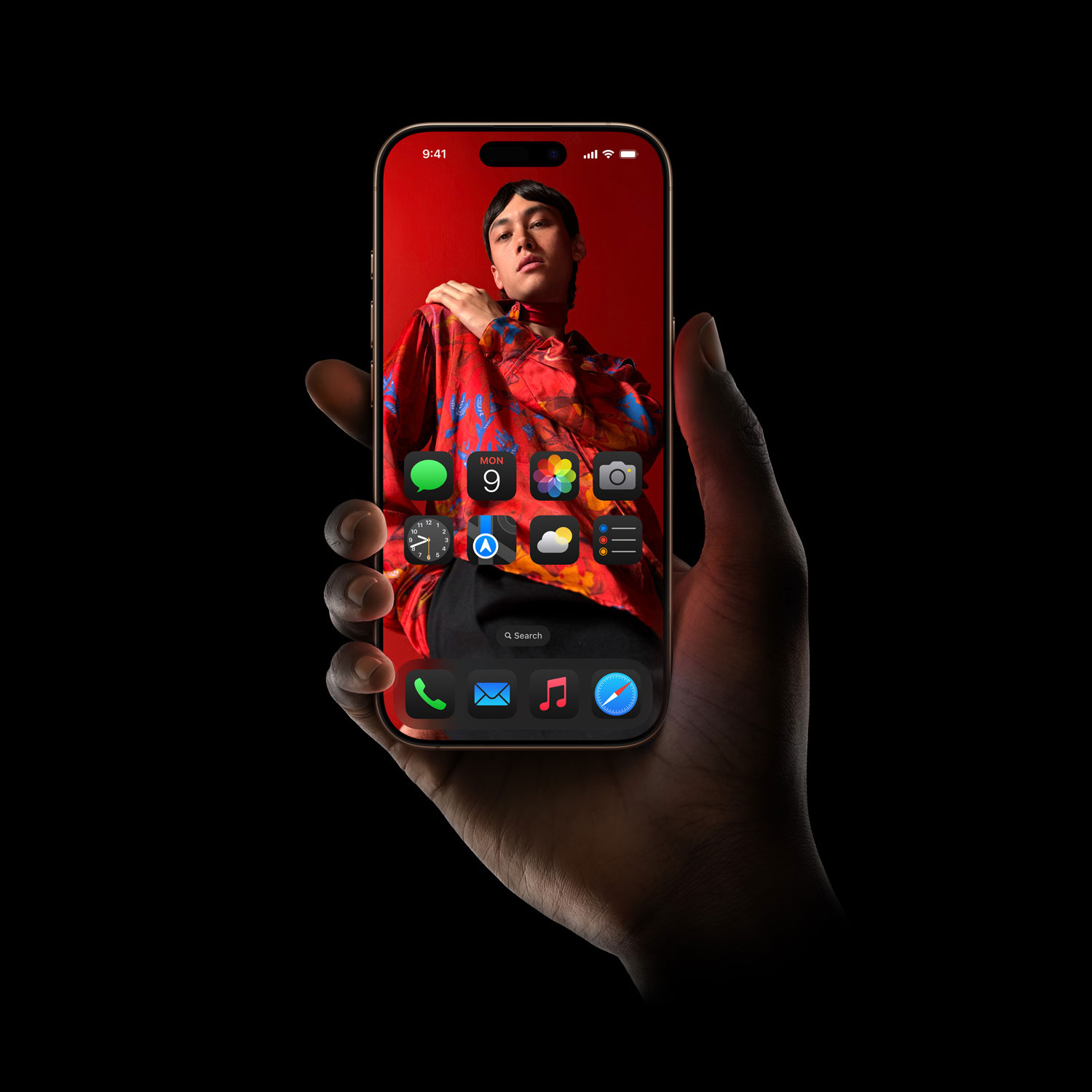
Apple: about emotions
Examples of successful brands