Brand character on product packaging
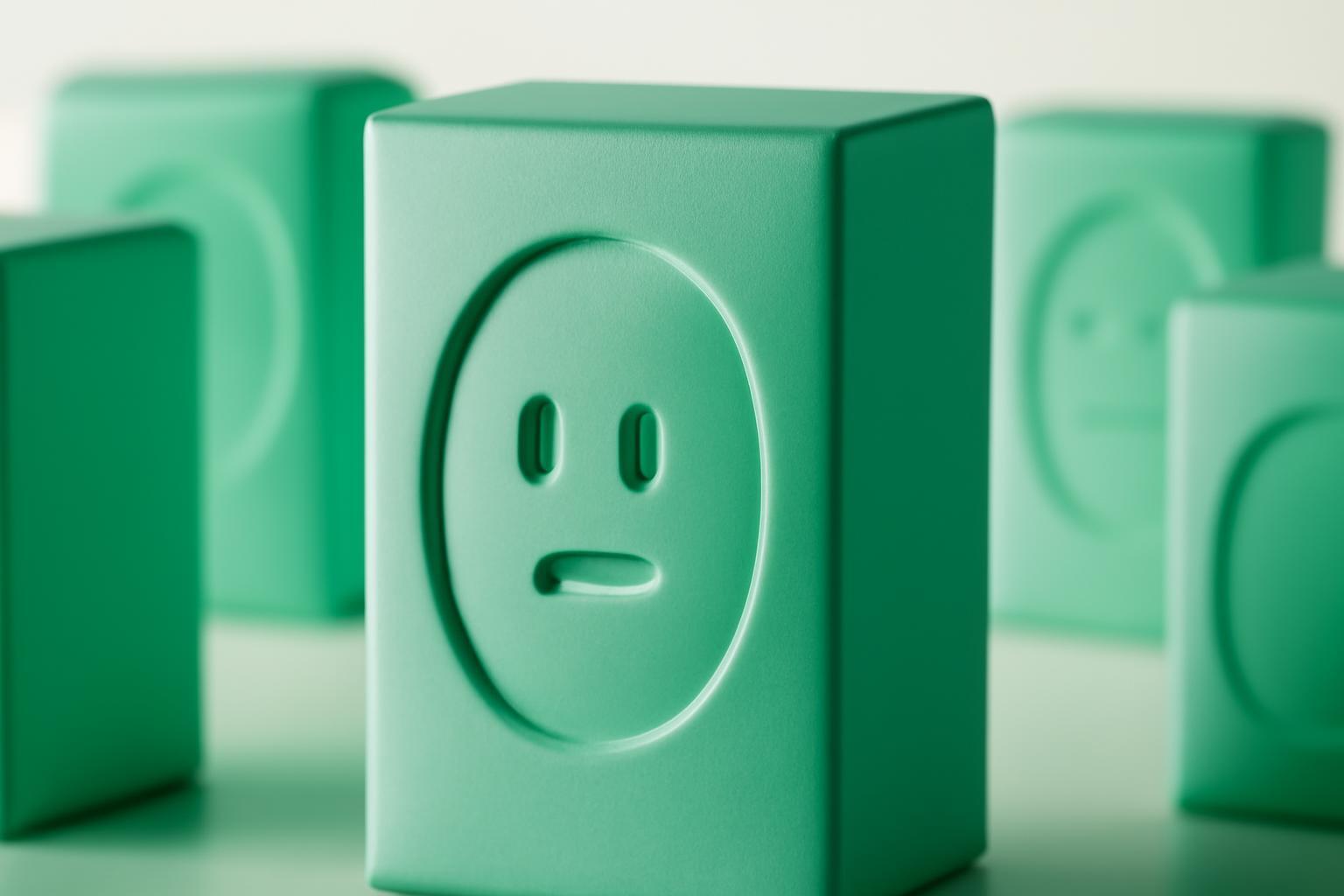
Proportions on packaging: how much space to give to the character
A typical mistake is to make the character a literal main hero, occupy it with all the space and squash the product. A shopper spends 1-3 seconds at the shelf making a decision about what is in front of them: if he does not understand what product he holds in his hands within that time, the character works against sales, not for them.
Reference — zoning with a clear hierarchy: the character must occupy enough space for recognition, the logo providing identification, and the product image confirming the category. Large FMCG brands use this approach. The logic is simple: the hero grabs the eye first and creates an emotion, but at the same time the gaze gets confirmation — what product it is and which brand released it.
- The character is placed in the upper third of the packaging or in the center — this is the zone of first visual contact.
- The hero's pose and gaze work as a pointer — they guide the eye to the product name or to the key benefit.
- The silhouette must be readable in miniature: on marketplaces, a product card is often the size of a postage stamp, and if the character turns into a blob, recognition will not work.
- The character's color is contrasting with the background, but does not conflict with the brand's official palette.
Why mascots fail: analysis of a specific mistake
Practice shows how unsuccessful proportions and the character's color scheme can negatively affect the product's perception. The character was supposed to convey energy and health, but unfortunate proportions and color made it look like a mutated apple. Sales did not increase, and the brand's perception deteriorated — consumers interpreted it not as care, but as anxiety, which directly contradicted the product's stated idea.
There is a set of features that almost guarantee a character's appeal: large eyes, a smile, round soft forms, a calm color palette, and a friendly pose. Sharp angles, an aggressive expression, and body disproportions work against sales almost always — even if the designer calls such a solution bold and unconventional. Boldness is not an argument here: the shopper at the shelf does not evaluate creativity, they react to the image instinctively, in fractions of a second.
A separate and no less destructive mistake is changing the character too frequently or using different versions of the hero in different product lines without a unified system. The buyer loses attachment, and all the effect of accumulated recognition is devalued in one rebranding.
What type of character to choose for a product category
The question of whether an anthropomorphic hero or an animal should be chosen is not a matter of the designer's taste, but rather the product category, audience, and the task that the character must fulfill.
| Character type | When it works better | Example |
|---|---|---|
| Anthropomorphic hero | Products for children and families, where emotional attachment and 'human' trust are needed | Chocozavr |
| Animal mascot | Mass FMCG, where universality and scalability across different product lines are important | SberKot, Chamberlain Coffee |
| Monster / fantasy creature | Categories emphasizing energy, strength, and drive — snacks, energy drinks, products for teenagers | Paauwaa |
| Abstract symbol | Premium and minimalist brands, where restraint and status are important, not playfulness | niche beauty brands |
It is worth separately examining the transition of Chamberlain Coffee from the face of the founder to a system of animal characters. This is not a cosmetic change to packaging, but a strategic move: it is difficult to scale a human face, as it is tied to one image and one story. The system of animal characters has increased retail sales and given the brand flexibility — today the product is available in more than 10 thousand points, and the lineup of heroes grows along with the assortment, not being tied to a specific person.
How much revenue a mascot brings in: exact figures without rounding
Energizer Bunny — the most cited example in the industry is not by accident: the character became a famous successful campaign in the history of marketing, although the initial confusion with the competitor's brand complicated the results. Data from The Moving Picture Company goes beyond a one-time case: long-term campaigns with mascots yield a market share increase of 41% versus 29,7% for brands without a character, and profit growth — 34,1% versus 26,2%.
The Russian market does not dispute these figures but confirms them through practice. Mascots are used by large brands as a strategic asset to build long-term recognition. The SberKot case provides specifics on metrics: engagement in advertising content with a character tripled, brand loyalty — 1,5 times, and sales — doubled. At the same time, characters serve as an effective attention trigger, and on today's market only 12% of advertising campaigns use characters (versus 41% in 1992 year) — a small number at first glance, but this is comparable to the effect of an entire advertising format.
How a character influences repeat purchases
A product without a character is sold once — due to price, promotion, or random choice at the shelf when the buyer is not ready to compare features. A character works on the second, third, and tenth visit: a child asks specifically for 'that chocolate with a dinosaur,' an adult grabs a familiar silhouette among dozens of analogs in a fraction of a second.
The mechanism is simple: the brain recognizes a familiar image faster than it reads text or a logo, so the decision at the shelf is made almost automatically — the consumer does not compare again, they are looking for 'that same kitten' or 'that same rabbit'. An additional effect, which is rarely counted in the initial budget, is user-generated content and memes around the character. This reach is not paid for by the media budget, but is only received by brands with a recognizable and likeable hero.
A mascot-leader or a supporting character: the difference in risk and effect
A mascot-leader is a character that becomes the face of the entire brand: it appears on packaging, in advertising, in social networks, and often replaces the logo in the audience's perception. That is how SberKot and Energizer Bunny were built — both cases are about long-term investment in the brand's character, not about a one-time illustration.
A supporting character solves a narrow task: highlighting a specific product line or seasonal collection without claiming the role of the main brand symbol. The risk is lower, but the effect is more localized — growth in sales of a specific SKU, rather than long-term market share increase for the entire brand.
- The company plans to build brand equity for decades — it chooses a leader mascot and systematically develops it across all touchpoints, from packaging to social media.
- The company needs a targeted effect on one product or seasonal line — it uses a supporting character and does not spend budget on a full-fledged brand book for the hero, who will only live through one season.
An error at this stage is confusing the scale of the task. A supporting character is attempted to be promoted as a leader mascot, investing resources that will not be recovered; or, conversely, resources are saved on developing a leader mascot, expecting the effect of a level like SberKot from a hero created in one brief without a strategy for application.
Recent articles




MegaFon, BMW, VTB and more 240+ companies. See how it looks in the showcase reel:


Our branding agency is approached to order:
Branding agency services












