Dynamic identity: generative and algorithmic systems
Where algorithmic identity begins: rules instead of pictures
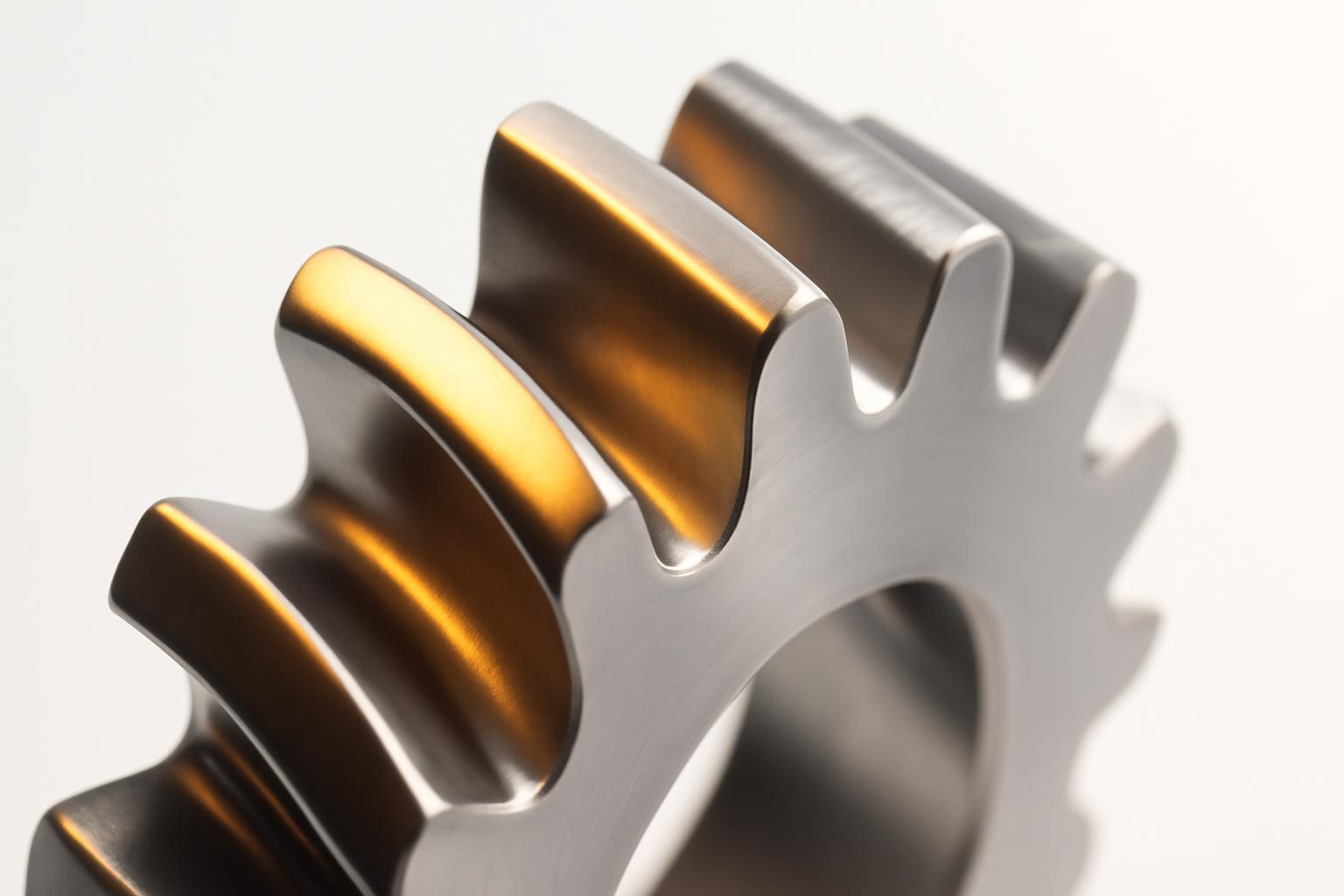
The mistake of most teams attempting to 'create a generative brand' is that they ask the designer to draw more logo variations. In fact, the work is reversed: the designer stops creating assets and begins describing the behavior of the system. This is another profession within the profession — the architecture of rules.
To prevent the algorithm from turning into visual chaos, a rigid skeleton and a flexible shell are built into it. The skeleton is what never changes and holds recognizability. The shell is the range within which the system can improvise.
- Fixed node — an element that appears in 100% variations (for example, unchanging proportions of a letter or the same angle of a shape cut);
- Modular grid — a coordinate system that determines where dynamic elements can be placed and where they cannot;
- Parameter ranges — numerical boundaries for color, line thickness, curvature, and not the freedom of 'any color';
- Mutually exclusive rules — if the form changes, the palette is fixed, and vice versa, to prevent variations from 'exploding' across all axes simultaneously.
A demonstrative example — the jewelry brand STL Lab, which built its identity in Grasshopper using parametric design. The logo, packaging, and the jewelry itself are all governed by the same algorithmic nodes: changing one parameter equally affects the form of the ring and the shape of the mark on the box. This is not styling 'to match the product' — this is literally one code, different outputs. Such a level of consistency cannot be manually assembled physically.
What data does generative identity work on
Data is what replaces a designer's intuition of 'which option to choose today'. The sources vary, and the choice of sources determines whether the brand will look alive or random.
| Type of data | What changes in the identity | Example |
|---|---|---|
| Geolocation and coordinates | form, proportions of the sign | Nordkyn (Norway) — the logo form changes by coordinates |
| Weather and temperature | color palette | Nordkyn — the logo color depends on the air temperature |
| User behavior | evolution of generated variants | ADC — selection from three options trains the model, the system changes from month to month |
| Calendar events | density and organic forms | Rio Carnaval 2022 — reactive, 'living' forms for carnival dates |
| Content metadata | composition, generation type | visual style selection according to the publication topic |
Key nuance: the more data sources are connected, the stronger the discipline in the rules from the previous section is needed. Data without restrictions provides variability, but not a brand — just visual noise with a logo on top.
MRBS: a guideline that is read not by a human, but by a machine
The main technical gap that is hardly written about: a traditional brand book is a PDF with 80 pages, written for a human designer. An AI agent does not 'understand' such a file — at best, it parses it as text, losing the logic. This is where the MRBS (Machine-Readable Brand System) specification was born — it turns brand rules into structured JSON/YAML code: colors as variables, spacing as formulas, acceptable combinations as conditional constructs.
Practically, this means that an AI agent can autonomously assemble a banner, post, or packaging by referring not to a designer, but to a rules file, and the result will match the brand in structure, not by random chance. This is the next step after generative design of individual images — transitioning to a system that scales without human involvement on each asset.
How does a generative system differ from manual dynamic identity
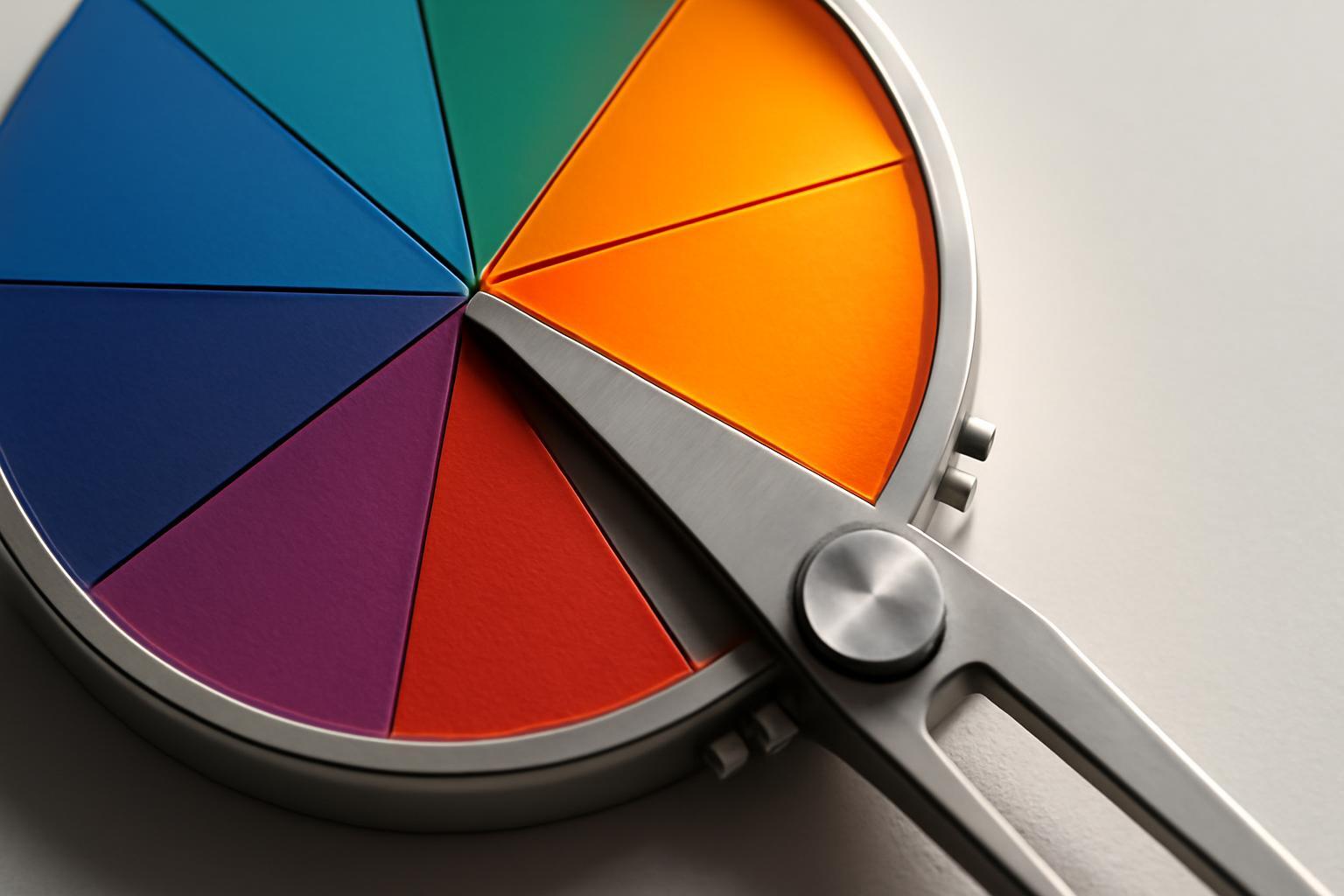
The technical process of generative design is usually three-stage: an NLP model (for example, GPT) analyzes the brief and extracts meanings, a CLIP model translates textual formulations into visual parameters — form, composition, emotion, a diffusion model (Stable Diffusion) assembles the final image. The palette is often built not on taste, but based on Itten's color wheel and emotional triggers from the brief — this is closer to engineering than to creativity in the classical sense.
The difference from manual dynamic identity is not in the number of variations, but in the nature of the process: with Sber and Google Doodles, a person makes the final decision on each variant, whereas with a generative system, the algorithm makes the decision at the moment of release.
| Parameter | Manual dynamic identity | Generative system |
|---|---|---|
| Who creates the variant | designer, manually, in advance | algorithm, at the moment of release |
| Number of variations | final set (tens, hundreds) | potentially infinite |
| Role of the designer | draws specific images | describes rules and boundaries |
| Reaction to new data | requires a new brief and designer's work | system reacts automatically |
| Example | Google Doodles, Sber | Nordkyn, STL Lab, ADC |
When the generative system is not working
The temptation to launch a generative brand is present in everyone, but it's not suitable for everyone. The system is justified where there are many and diverse points of contact with the brand — social networks, packaging for different SKUs, personalized email newsletters, digital events. If a brand has three carriers and one website, investments in rules, nodes, and MRBS files will not pay off: it's cheaper to draw manually.
The second constraint is legal and reputational control. The algorithm sometimes produces a variation that formally complies with the range of parameters but looks strange or accidentally falls into an undesirable association (for example, a competitor's color combination). Without a person who periodically checks the sample of generated assets, the reputational risk accumulates unnoticed.
The third is the team. The architecture of rules requires a designer who thinks like a programmer and a developer who understands brand logic. Such a tandem rarely exists within the staff, and this is one of the reasons why most 'generative' rebrandings on the market are actually sets of manual variations, issued under the guise of an algorithm.
Conclusion
Generative identity is not a fancy image, but an engineering system: a skeleton made of fixed nodes, a shell made of parameter ranges, data that triggers variations, and a machine-readable rules file instead of a PDF brandbook. The difference from dynamic identity is who makes the decision at the moment of release — a person or an algorithm. Until a company has neither the volume of contact points nor the resources to write rules nor control over the results sampling, it is wiser to stay at the level of a thought-out manual system. Transitioning to a generative level is worth it only when variability ceases to be a decoration and becomes the only way to cope with the scale.
Recent articles



MegaFon, BMW, VTB and more 240+ companies. See how it looks in the showcase reel:


Our branding agency is approached to order:
Branding agency services












