Biodegradable materials for packaging
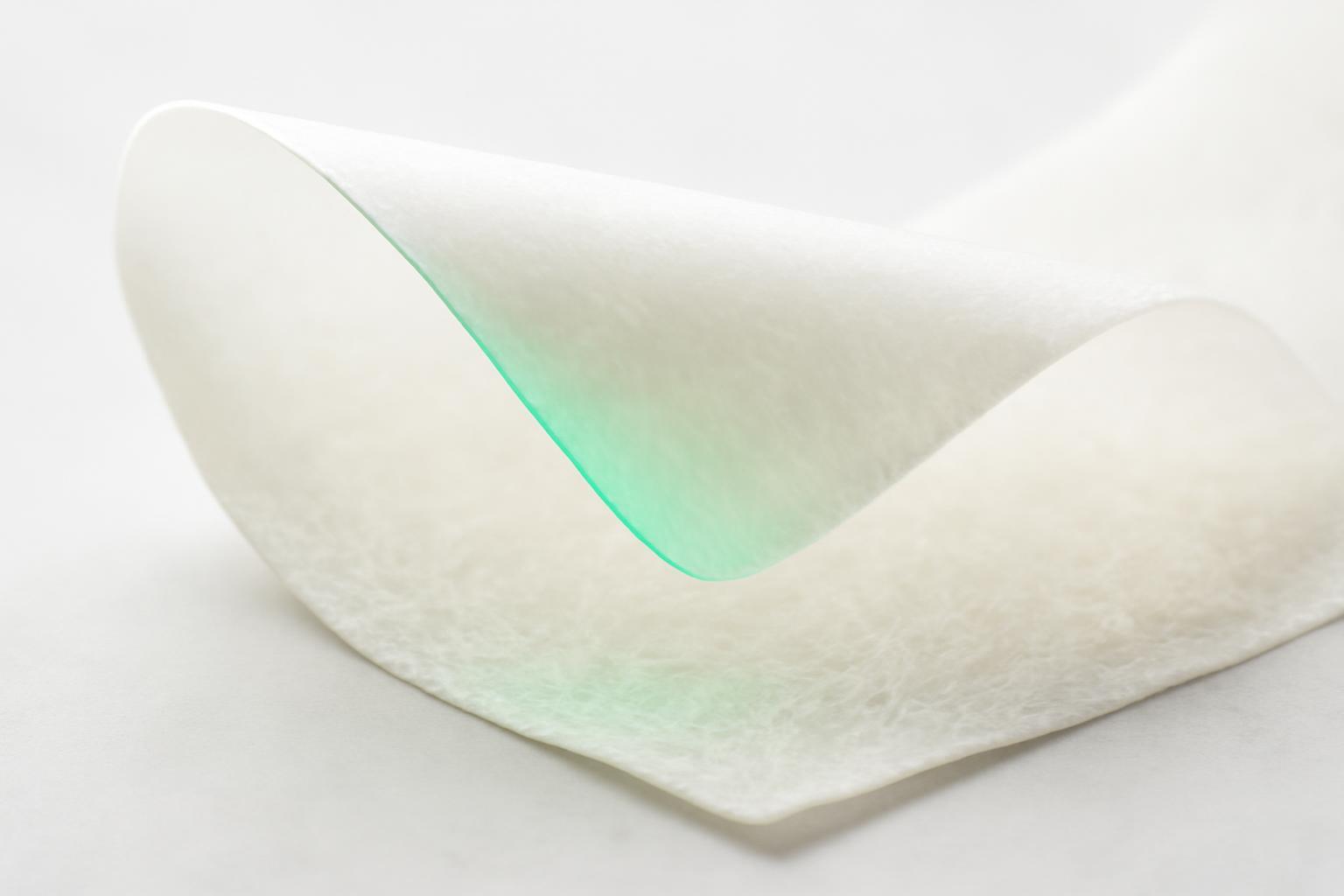
Oxo-, hydro- and compostable: do not confuse these three technologies
There are three fundamentally different approaches on the market, and confusion between them is the source of half the claims in greenwashing. Oxo-degradable materials are regular polyethylene with metal additives (cobalt and manganese salts), which accelerate oxidation under UV radiation and oxygen. The problem is that they do not biodegrade, but break down into fragments — that is, become microplastics. That is why the EU banned them as of 2021. Hydro-degradable materials react to moisture, but the mechanism is similar: structural breakdown, not microbial assimilation. Fully compostable materials (PLA, PBAT, starch composites) are truly broken down by bacteria and fungi into water, carbon dioxide, and biomass — but only under strictly defined conditions.
| Type | Mechanism | Final decomposition | Standard requirements |
|---|---|---|---|
| Oxo-degradable | Oxidation under UV/oxygen | Microplastic | No strict requirements in most regions (banned in the EU as of 2021) |
| Hydro-degradable | Destruction under the influence of moisture | Polymer fragments | There is no separate strict standard |
| Compostable (PLA, PBAT) | Biological absorption of microorganisms | Water, CO₂, biomass | 90% at 6 months at 55-60°C (EN 13432, GOST R 54530-2011, ASTM D6400) |
The difference in figures appears non-critical at first glance — 50% versus 90% — but in practice this means that the oxo-pack will never disappear completely, but will simply become invisible garbage to the eye.
Why is a compostable bag just plastic in an ordinary trash bin?
The main misconception among consumers lies here: biodegradability is not an inherent property of the material itself, but rather the result of the interaction between the material and specific conditions. PLA degrades only at temperatures above 55°C, with stable humidity and access to oxygen — conditions found in industrial composters, not landfills or garden soil. In a municipal waste landfill, a PLA bag would be in an anaerobic environment lacking the required temperature and would remain unchanged for years — essentially like regular polyethylene.
The situation is similar when burying in the ground: soil temperature in the middle latitudes of Russia rarely exceeds 20°C, while industrial composting requires 55-60°C. That is why in the test at RAE Even the genuinely biodegradable Kazakhstani bag made of Platonova lost only 21% of its mass over three months — under ideal composting conditions, this process would have taken weeks. A separate category is home composting: the temperature in a domestic composter rarely exceeds 30-40°C, and for this a material with the marking "OK compost HOME" or "DIN-Geprüft Home Compostable" is required. Regular PLA without this marking will not decompose at all in a garden composter.
How to check that the packaging is not misleading
The only reliable way to distinguish genuine compostable packaging from a marketing ploy is to look not at the word 'biodegradable' on the label, but at the specific marking and standard according to which it was certified.
- EN 13432 (European) — 90% degradation within 6 months under industrial composting, verification of absence of heavy metals and soil toxicity after degradation
- GOST R 54530-2011 — Russian analog with the same decomposition thresholds
- ASTM D6400 — American standard, similar requirements
- «OK compost HOME» and «DIN-Geprüft Home Compostable» — the only markings that guarantee decomposition in domestic conditions at 30-40°C
- The absence of the words "oxo", "oxo-degradable", "oxo-biodegradable" in the composition — if the manufacturer does not hide them, this is already a red flag
If a package simply states "biodegradable" without referencing a standard and certificate number, this is almost always a marketing tactic, not a fact. A genuine certificate will always indicate a specific document and the laboratory that conducted the testing.
What material to choose for a specific task
The choice of material should depend on what is being packaged and where the packaging will end up after use — on a landfill, in industrial compost, or in the ocean. There is no universal solution here; rather, there is a balance between cost, barrier properties, and actual decomposition times.
| Material | Application | Decomposition time | Feature |
|---|---|---|---|
| PLA (polylactic acid) | Food packaging, disposable tableware | ~12 weeks at 55-60°C | Does not degrade in cold environments, brittle in frost |
| Starch composites (PLA+PBS, Mater-Bi Novamont) | Packages, packaging film for delivery | Varies by composition, usually faster than pure PLA | Flexibility is higher, cost is higher |
| Cellulose film | Wrapper, food packaging | Weeks in the soil | Poor moisture resistance without coating |
| Mycelium (fungus body) | Protective packaging, foam replacement | Weeks | Expensive, requires time to grow the form |
| Marine algae | Film, capsules, disposable tableware | Weeks in marine and soil environments | Zero consumption of fresh water and fertilizers in production |
| Bagasse (sugar cane bagasse) | Dishes, containers for food delivery | 1-2 months in the soil | Production waste, cheaper than most analogs |
For food delivery, bagasse or starch composites are more practical — they withstand moisture and fat. For protective packaging of fragile goods, mycelium replaces polystyrene without losing strength. However, pure PLA is not well-suited for e-commerce: it cracks during temperature fluctuations while in transit.
Branding question: how to talk about this without greenwashing
Companies that switch to biodegradable packaging often make the same mistake — they write "eco" or "biodegradable" on the packaging without specifying the conditions. This works right up until the first check by a blogger or journalist, after which the brand receives an accusation of deception rather than an image boost.
A credible position is built on three principles: indicating a specific standard and certificate number, not a general term; honestly stating that the packaging requires industrial composting if that is the case — with the specification of where it can actually be dropped off; not promising decomposition 'in nature' or 'on the dacha' if the material cannot withstand that. A brand that says 'our packaging composts in 12 weeks in industrial composting, drop-off sites — here' looks more convincing and reliable than any abstract 'we care about ecology'.
Recent articles



MegaFon, BMW, VTB and more 240+ companies. See how it looks in the showcase reel:






Our branding agency is approached to order:
Branding agency services












