Guidelines for corporate clothing and merchandise with a brand
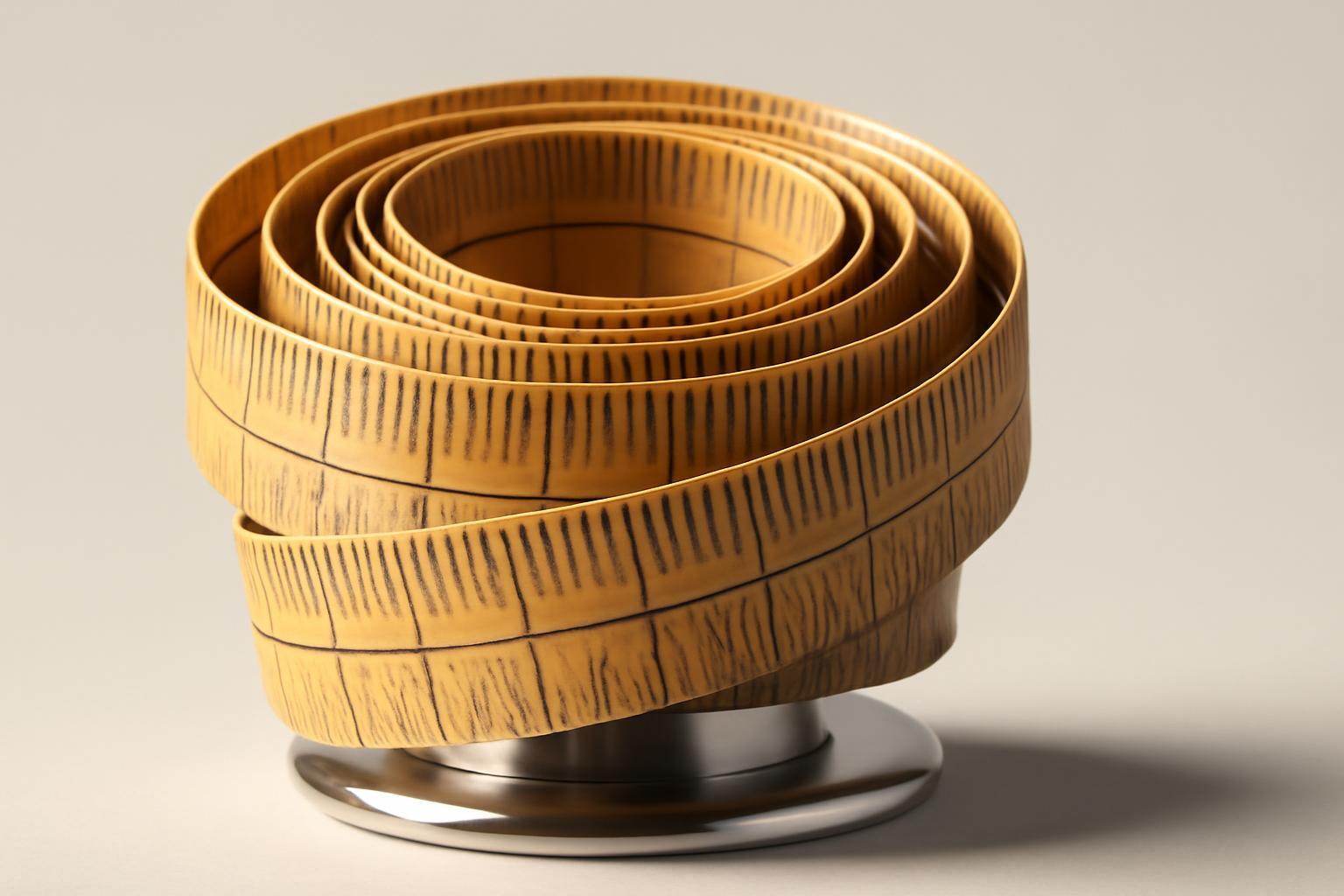
Merchbook and brandbook: different documents for different tasks
A brandbook is the constitution of a brand: logo, palette, typography, tone of communication. A merchbook is an operational instruction for a specific medium, where fabric stretches, thread breaks, and seam hinders the readability of the mark. Without a merchbook, designers reinvent the rules each time, and procurement orders what "looks roughly like a logo".
| Parameter | Brandbook | Merchbook |
|---|---|---|
| What it describes | Overall brand visual identity | Rules for applying to specific products and materials |
| Audience | Designers, marketers, partners | Production, procurement, HR, subcontractors for embroidery/printing |
| Updated | Every few years, upon rebranding | Annually, for new collections and events |
| Example of structure | Logo, colors, fonts, tone of voice | Printing technologies, grades, order calendar, size tolerances |
Showcase case — Rostelecom, where the merchbook occupies a separate section in the 100-page guidebook. There, rules for working with current and future collections are outlined, and merch is used not as a stock of t-shirts, but as an HR brand tool: welcome packs for new employees, exit packs upon termination, and kits for team building.
To grade or not to grade: two approaches to merch
There are two ways to distribute merch to employees. The first — "everyone gets the same": a junior employee and a top manager receive the same hoodie with a logo on the chest. This is cheaper to develop, but devalues merch as a motivation tool — the visual does not reflect status and a person's journey within the company.
The second approach — grading. Merch changes with the employee's growth, becoming a visual metaphor for their career. A clear example is the Gordan company system, where the symbol evolves by levels: a match for a newcomer, fire for a mid-level, and a lighter for a senior specialist. This is a simple and readable code: a person sees on a colleague's clothing at what stage they are and understands where to grow oneself.
- The flat model suits small teams without a clear hierarchy and limited budget.
- The graded model works where merch is embedded in the adaptation and retention system — from onboarding to company anniversaries.
- A middle option is a unified cut, but different colors or patches by grades, if a full lineup is not available due to budget constraints.
Printing versus embroidery: what to choose and how it relates to guidelines
The method of application is not only a matter of aesthetics, but also a matter of compliance with the guidelines. DTF and screen printing provide accurate color reproduction and fine details of the logo, so they are suitable for limited editions and vibrant prints. Embroidery looks more prestigious and lasts longer, but imposes strict technical limitations that must be specified separately in the merch book.
With embroidery, the minimum text height is no less than 0,25 inches, and lines thinner than 1pt tear during stitching: the thread simply doesn't have time to lie flat. On elastic fabrics without a stabilizer, embroidery pulls the fabric around itself, and the logo 'wrinkles' even on a new item. If these tolerances are not specified in the guidelines, the designer adapts the logo 'by eye', and on a batch of a thousand items this becomes a systemic defect.
The rule is simple: embroidery is chosen for business merchandise with long-term use (polos, hoodies, baseball caps), printing — for event and promotional merchandise with a short lifecycle.
Logo on clothing: where defects most often occur
Most errors in logo application are not related to creativity, but to a basic lack of knowledge of technical tolerances. The merch book must specify exact figures, not just 'position the logo beautifully'.
| Placement area | Requirement | Typical mistake |
|---|---|---|
| Left chest area | 3–4 inches from the collar, between the shoulder seam and underarm | The logo shifts downward or sits too high at the neckline |
| Center chest | Optimal size 3,5×3,5 inches | Increasing the size for 'visibility', the logo distorts the silhouette of the garment |
| Back under the hood | Do not place at all | The logo gets lost under the fabric or lies on a bulky seam |
| Area of large seams | Spacing from the seam to avoid thread breakage | Applying directly on the seam — cracking of the print or breakage of embroidery |
Each of these errors is not critical by itself, but on a batch of hundreds of units, it becomes a defect that cannot be corrected afterward — reworking the batch is more expensive than specifying tolerances in advance.
Merchandise as a communication system, not a set of souvenirs
A weak approach — to order t-shirts and mugs for New Year because "that's what everyone does". A strong approach — to build merch as an internal communication channel, where clothing, accessories and printed materials speak the same visual language and work towards a specific business goal.
The company Hybrid spent two years developing a motivation system through merch, shipped over 2000 units across 617 orders and achieved 100% employee engagement in completing internal tasks. As a result, it entered the top 5 of Forbes' list of best employers. This is not about a nice print — this is about merch being embedded into HR processes as a measurable tool.
For merch to work systematically and not just once-off, the merchbook must include an annual calendar-reminder, tied to key company events and the budget cycle. Without it, orders are placed at the last minute, deadlines are tight, and quality suffers first.
Why you can't cut corners on fabric
Cheap fabric is the fastest way to devalue the entire merchbook, no matter how precise it is. Cotton density below 240 grams gives a piece of clothing that will be worn once and then forgotten on the shelf. Such merch stays within the office boundaries, does not work for ambassadorship, and practically collects dust on the warehouse as dead cargo. Saving on materials is not about reducing the budget — it's about losing the entire investment in developing the system.
Recent articles




MegaFon, BMW, VTB and more 240+ companies. See how it looks in the showcase reel:


Our branding agency is approached to order:
Branding agency services












