Brand Recognition: What It Is and How to Measure It
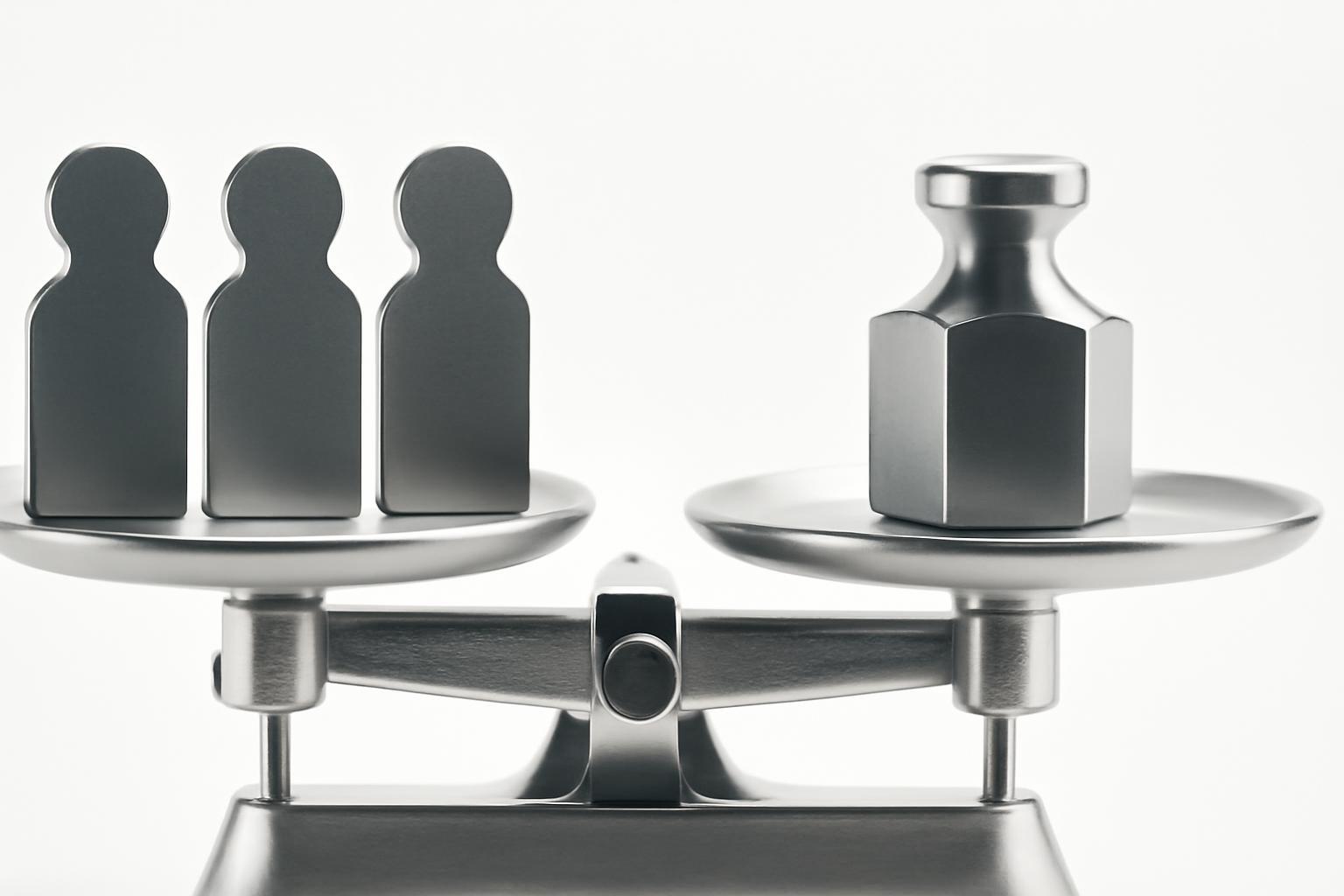
Recognition is not the same as reach or brand knowledge
Marketers often confuse three different things: the reach of an advertising campaign, brand recognition, and brand knowledge. Reach is how many people saw the ad, recognition is how many of them can recall the brand after some time, and knowledge is whether they understand what the brand sells and how it differs from others. You can show a banner to a million people and get zero increase in recognition if the creative failed to hook anyone visually or in meaning. This is the first mistake companies make when reporting reach numbers instead of recall figures to their leadership.
Recall vs Recognition: Two Levels That Give Different Pictures
In the industry, recognition is divided into two fundamentally different indicators, and confusing them is a gross methodological error.
| Indicator | What it measures | How It's Asked | Typical Level for a Strong Brand |
|---|---|---|---|
| Brand Recall (Unprompted Recall) | The ability to name a brand independently, without visual or textual prompts | “What sneaker brands do you know?” | 15–40% among category leaders |
| Brand Recognition (with hint) | The ability to recognize a brand when it is shown or mentioned | “Have you heard of brand X?” | 50–90% in a mature category |
| Top-of-Mind Awareness | The first brand named in the category — the strongest signal of leadership | “Name the first brand that comes to mind” | 5–20%, rarely more than one player |
Recognition is almost always higher than recall — this is normal, and it makes no sense to compare brands based on different metrics. If a competitor boasts of 80% recognition, and you have 25%, first find out which metric is being discussed: most likely, theirs is recognition, and yours is recall, and directly comparing them is like comparing kilometers to kilograms.
Four ways to measure recognition — and when each is justified
The method is chosen based on budget, speed, and whether a causal link to advertising activity is needed or just a snapshot of the current state.
| Method | Pros | Cons | When to use |
|---|---|---|---|
| Survey-based | Direct measurement of recall and recognition, can be segmented by audience | Expensive, requires a representative sample of 300–500 people | Once per quarter/year for tracking dynamics |
| Search query analysis | Cheap, accessible via Wordstat/Google Trends, shows real interest | Does not distinguish recognition from intent to buy | Monitoring between survey waves |
| Social listening (mentions) | Shows organic brand visibility in real time | Shifted toward active social media users | Tracking PR effects and crises |
| Share of Voice (share of voice in the category) | Links media activity with potential brand recall | An indirect indicator that does not measure actual memorization | Media budget planning |
The ideal practice is a combination: survey as a baseline point once a year, search queries and mentions — as a monthly pulse between waves.
How brand recall percentage is calculated — a specific formula
The formula is simple: the number of respondents who named or recognized the brand is divided by the total number of respondents and multiplied by 100. If out of 400 respondents 92 named the brand without a hint — recall equals 23%. This number by itself means little without context: it is important to compare it with a previous measurement and with competitors in the same category surveyed using the same method.
- Define the category and audience — recall is not measured 'in a vacuum', but in a specific segment (for example, 'women 25–40, purchasing skincare cosmetics').
- Collect a sample of at least 300 respondents — less gives an error of approximately ±5.7%, which eats up the entire meaning of the measurement.
- Ask an open-ended question without a hint — this will yield recall.
- Then show a list of brands, including yours — this will give recognition.
- Ask separately about the top-of-mind — 'which brand first came to mind'.
- Repeat the measurement after 6–12 months using the same method — otherwise the comparison will not be valid.
Common mistakes in measuring brand recall
- Confusing an increase in ad impressions with an increase in brand recall — these are two different metrics, and the relationship between them is not linear.
- Comparing the recall of one brand with the recognition of another — a methodological substitution that distorts the conclusions.
- Surveying a non-target audience instead of the target group — brand recall among non-target groups often means nothing for business.
- Conducting only one measurement and considering it sufficient — without dynamics, the figure is useless, as it shows a point, not a trend.
- Ignoring local and regional breakdowns — a federal brand may have 60% in Moscow and 10% in the regions.
What to do with the measurement results
The brand recall figure itself is not the goal, but a diagnostic tool. If top-of-mind is low and recognition is high, it means the brand was seen, but it has not occupied a specific niche in the audience's mind — this requires work on positioning, not media budget. If both recall and recognition are low, the issue is insufficient presence — here frequency of contact and reach matter. It is advisable to link brand recall measurements with business metrics: market share, conversion to first purchase, customer acquisition cost. A brand with high recall but low conversion is a signal that the audience knows it, but does not choose it — and here the issue is no longer about awareness, but about the value proposition.
Recent articles






MegaFon, BMW, VTB and more 240+ companies. See how it looks in the showcase reel:


Our branding agency is approached to order:
Branding agency services












