Trademark
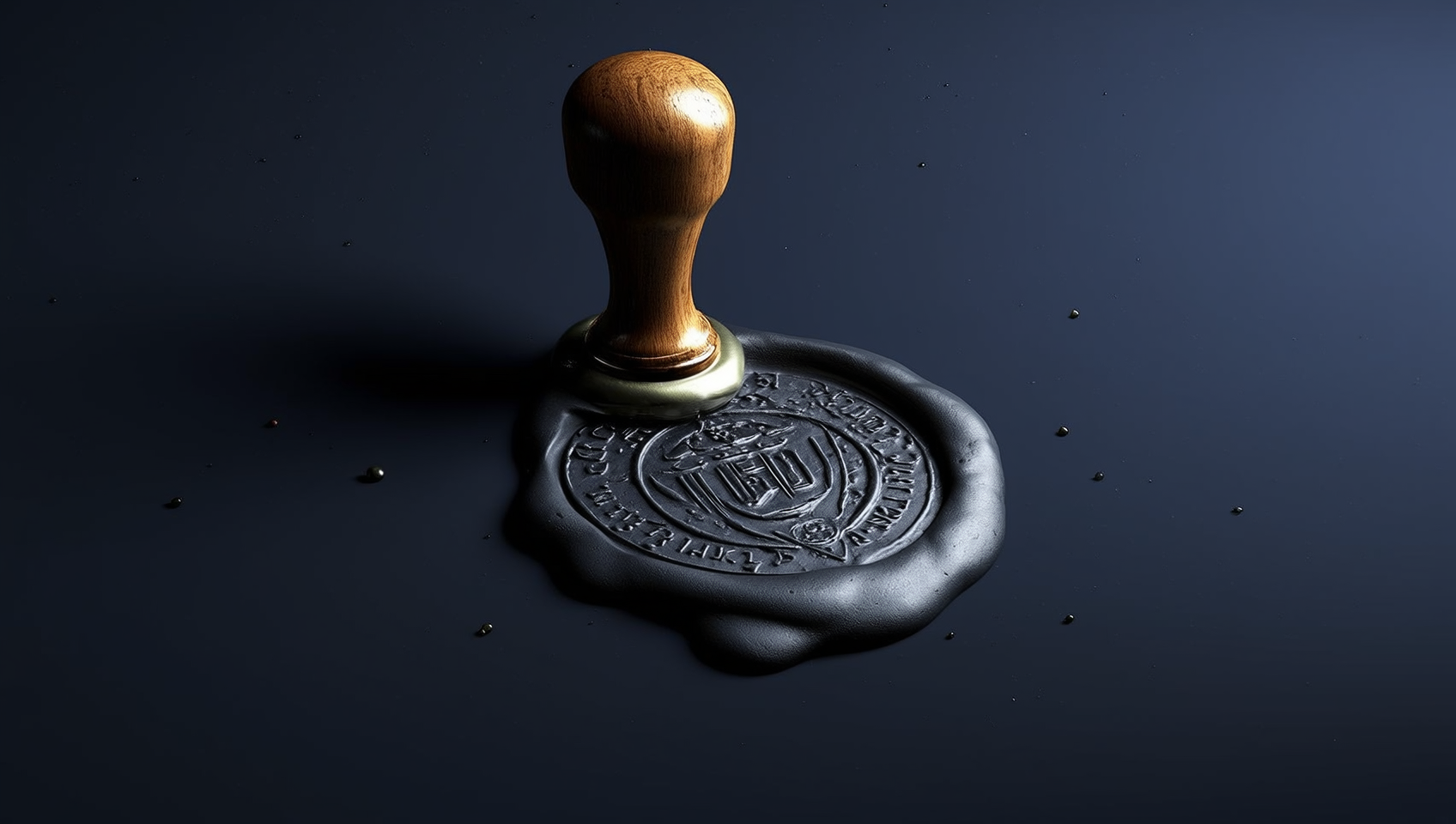
In everyday speech, the term "trademark" sounds like a synonym for trademark, and almost nobody thinks about the difference — until they encounter a competitor who copied the name. Then it becomes clear that behind the beautiful everyday term there is no legal protection unless it is separately formalized.
Trademark and Trademark
Often these terms are used as synonyms in everyday speech, and in most daily situations this does not create problems. But strictly speaking, a trademark is a registered and legally protected trademark. A trademark can exist without registration, simply without legal protection — that is, it can be a factual mark, but not a legal one.
The difference becomes critical at the moment of conflict: if a competitor starts using a similar name, the owner of an unregistered trademark finds themselves in a much weaker legal position than the owner of an officially registered trademark.
What a trademark can consist of
The verbal part — the company or product name itself, that which is spoken aloud and by which the brand is recognized in conversation. The graphic part — a logo, emblem, or other visual symbol that accompanies the name on all media.
A slogan or motto is also often part of a trademark, especially if it is used for so long and consistently that it begins to be associated with the company as firmly as the name itself.
Why register a trademark
Without registration, any competitor can use a similar name or logo, and challenging this will be extremely difficult and expensive, and sometimes even impossible, if the competitor manages to register a similar designation first. Registration grants exclusive rights and legal means of protection — the ability to prohibit use through court, demand compensation, and protect the brand's reputation from counterfeits.
Registration also becomes a business asset: a registered trademark can be sold, licensed, or used as collateral, which cannot be done with an unregistered trademark.
A common mistake of small business
Many novice entrepreneurs use a trademark for years, investing money and reputation into it, but never officially register the trademark. This creates a risk: if the name turns out to be successful and recognizable, someone more prompt may register it first and legally deprive the original owner of the right to use it.
Therefore, trademark registration should be considered not as a future formality, but as a necessary step immediately after the name and visual elements of the brand are finalized and begin to be used in actual business.
How to use a trademark in practice
After the trademark is approved, it is important to consistently apply it across all media — packaging, website, documents — so that the audience quickly becomes accustomed to associating a specific name and logo with a particular quality level. Inconsistent use, where the brand looks different on various platforms, slows down the recognition process and weakens its market strength.
Recent articles








MegaFon, BMW, VTB and more 240+ companies. See how it looks in the showcase reel:


Our branding agency is approached to order:
Branding agency services












